A $2.5 billion robot company is really a bet on software nobody has built yet
Agility Robotics is worth $2.5 billion, but it has only about 100 robots working and barely any sales. That price is a bet on the warehouse software nobody has built yet, not the robots on the floor.
- $2.5B
- What the company is worth
- ~100
- Robots working today
- $620M+
- Raised to build the next robot
- AGLT
- New Nasdaq stock symbol
A robot company just agreed to a deal that values it at $2.5 billion. But it has only about 100 robots working and barely any sales. So the price is not about today. It is a bet on what gets built next. That is the real story behind Agility Robotics going public, and it matters more to founders than the headline.
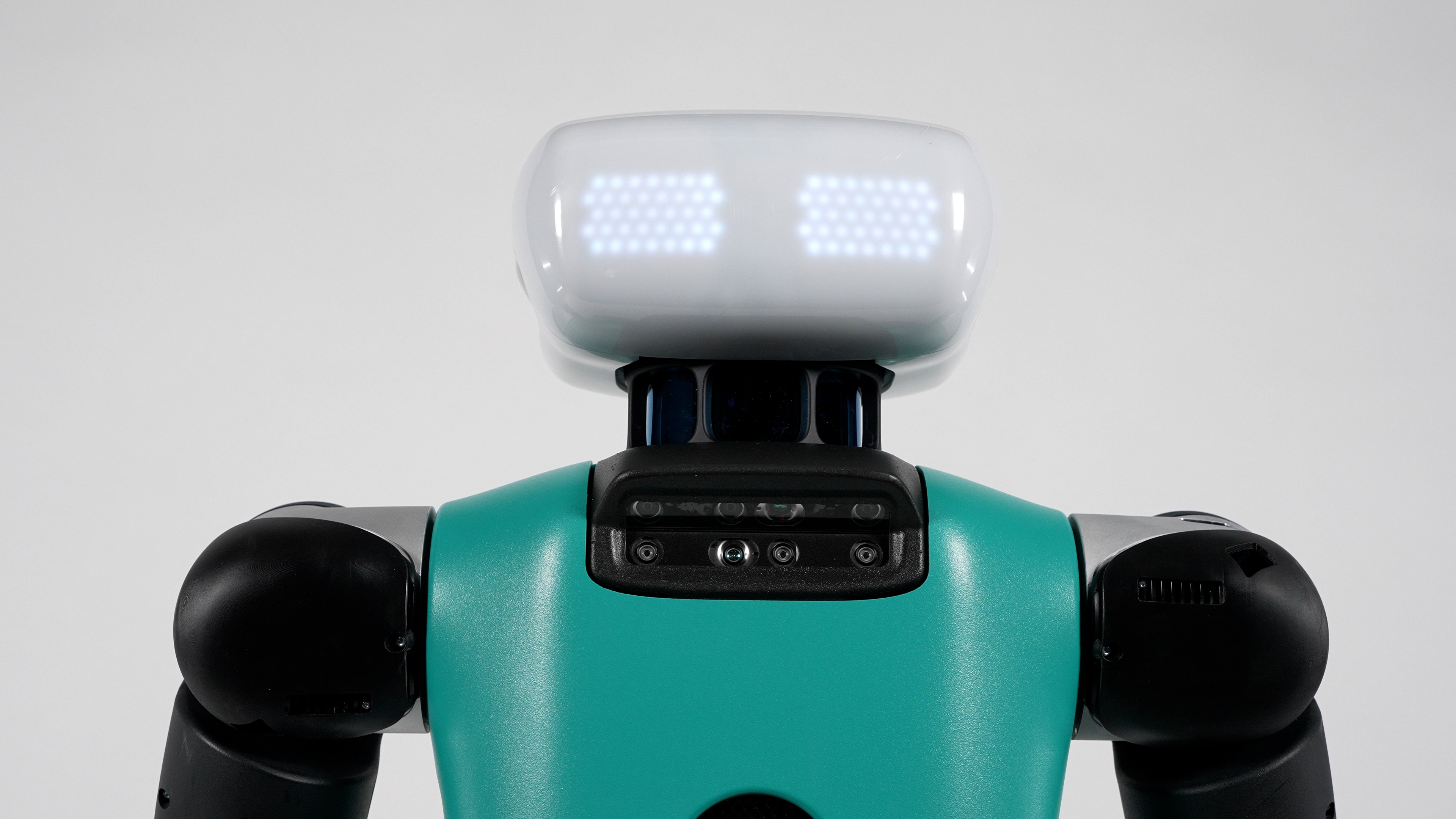
Here is what happened. On June 24, Agility, based in Oregon, agreed to go public through a SPAC — a fast way for a company to start trading by merging with one already on the stock market. Its partner is Churchill Capital Corp XI. The shares will trade on the Nasdaq as AGLT, and the deal should raise more than $620 million to build its next robot, Digit v5. Digit is about as tall as a person and walks on two legs, so it can work in warehouses built for people without changing the building.
Big names make investors comfortable paying before the sales arrive. About 100 robots already work at nine companies, including GXO, Schaeffler, and Mercado Libre. Amazon has tested Digit. NVIDIA makes the software that trains it. Toyota signed a factory deal two days before the news, and Foxconn, the company that builds the iPhone, is putting in money. But the $2.5 billion price is far above the sales. It is a bet that robots will soon do real physical work at scale.
Here is the useful part for anyone building with technology. A robot that lifts a bin is only helpful once it connects to the systems that run a warehouse — stock counts, planning, the apps that tell it what to do. Much of that software does not exist yet. You will not beat Amazon or NVIDIA at making robots. But you can build the software that connects them. Treat the price as a signal, not a promise: the safer, less crowded business is the software that tells the robots what to do.